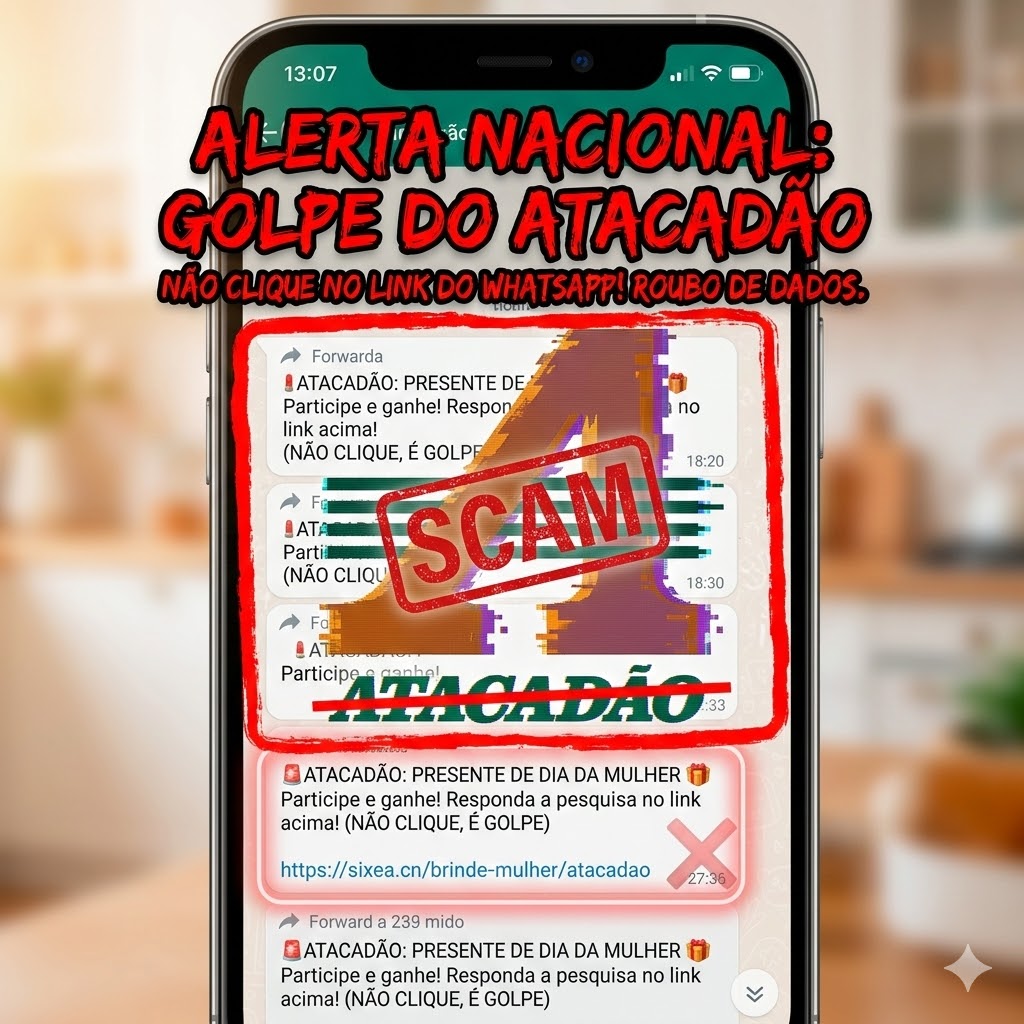
Unmasking the Atacadão Women's Day Hoax: Separating Fact from WhatsApp Fiction
The allure of a generous prize, especially on a celebratory day like International Women's Day, can be incredibly tempting. Recently, a message circulating widely on WhatsApp has promised a substantial R$1000 gift from Atacadão in commemoration of International Women's Day. But is this claim –
Atacadão Dia Da Mulher Presente É Verdade – truly legitimate? Unfortunately, it's a deceptive hoax, a classic online scam designed to trick unsuspecting users into compromising their personal information or infecting their devices.
As digital communication becomes ever more integrated into our daily lives, so too do the sophisticated tactics of cybercriminals. These fraudsters often leverage popular events and trusted brand names to craft convincing, yet entirely fake, promotions. The Atacadão Women's Day "gift" is a prime example of such a scheme, preying on our natural desire for a good deal and the celebratory spirit of a special occasion. Understanding how these scams operate is the first step in protecting yourself and your loved ones from falling victim.
The Anatomy of the Atacadão Women's Day "Gift" Scam
The fraudulent message typically begins with an enthusiastic "Parabéns!" (Congratulations!) from "Atacadão – Dia Internacional da Mulher," immediately grabbing the recipient's attention. Users are then enticed with the chance to obtain "1000REAL" by simply answering a quick questionnaire.
The questionnaire itself is seemingly innocuous, designed to gather basic demographic information while appearing legitimate:
- Question 1 of 4: Você conhece o Atacadão? (Do you know Atacadão?)
- Question 2 of 4: quantos anos você tem? (How old are you?)
- Question 3 of 4: O que você acha do Atacadão? (What do you think of Atacadão?)
- Question 4 of 4: Você é homem ou mulher? (Are you male or female?)
After completing this short survey, users are "congratulated" again, claiming their response has been saved successfully and they now have the chance to win prizes. They're typically presented with a game, often involving selecting a correct box, to "reveal" their R$1000 prize.
However, to "claim" this substantial reward, strict "rules" are imposed:
- You must notify 5 groups or 20 friends about our promotions.
- Enter your address and complete the registration.
- The gifts will be delivered within 5 to 7 days.
This multi-step process, culminating in a sharing requirement and a demand for personal registration details, is a classic pattern observed in countless online scams. It's crucial to recognize these elements as significant red flags, signaling that the promise of an
Atacadão Dia Da Mulher Presente É Verdade is a fabrication.
Why the "Atacadão Dia Da Mulher Presente" is NOT Verdade: Red Flags to Watch For
Distinguishing a legitimate promotion from a scam requires a keen eye for detail and a healthy dose of skepticism. When evaluating claims like the Atacadão Women's Day prize, several undeniable red flags indicate its fraudulent nature:
1. No Official Announcement or Verification
A primary indicator that the "Atacadão Dia Da Mulher Presente É Verdade" claim is false is the complete absence of any official announcement from Atacadão itself. Reputable companies promote their campaigns through official channels: their verified website, official social media pages, and established advertising. If a significant prize promotion isn't prominently featured on these platforms, it's almost certainly a hoax. Always check the company's official website directly, rather than relying on links from suspicious messages.
2. The "Share to Win" Tactic: A Hallmark of Scams
Legitimate contests rarely, if ever, demand that participants share a link with a large number of contacts to qualify for a prize. This tactic is a hallmark of phishing and data harvesting scams, serving several purposes for the fraudsters:
- Rapid Dissemination: It quickly spreads the scam across a wide network, leveraging users' social connections.
- Credibility Boost: When a message comes from a friend, it often seems more trustworthy, bypassing initial skepticism.
- Data Harvesting: The act of sharing often requires access to contacts or inadvertently provides more data points for the scammer.
Companies are generally very careful about their brand image and customer privacy, and they would not employ such viral, unregulated sharing methods.
3. Unrealistic Prizes and Generic Language
While companies do run promotions, prizes of R$1000 for a simple questionnaire and share are often too good to be true. Scams frequently dangle exorbitant rewards to override critical thinking. Furthermore, fraudulent messages often use generic, slightly off-kilter language, sometimes with grammatical errors or unusual phrasing, which can be a subtle indicator of their non-native or automated origin.
4. Request for Excessive Personal Data
The final step in many of these scams – "enter your address and complete registration" – is a direct attempt to collect sensitive personal information. While legitimate contests require some data for prize delivery, scammers often ask for details that could lead to identity theft, such as full names, CPF numbers, addresses, and sometimes even banking information under the guise of "verification" or "processing fees."
5. Past Precedents and Similar Hoaxes
This isn't an isolated incident. The pattern of a survey leading to a prize, followed by sharing demands and data collection, has been used repeatedly. Similar scams involving other major retailers, such as Supermercado Mateus, and even other holidays like Christmas, have been widely debunked. This consistent fraudulent behavior across different brands and occasions confirms that the Atacadão Women's Day offer is part of a broader, well-established scamming blueprint. For more details on the fraudulent nature of this specific offer and its similarities to past deceptions, you might find insights in our previous article:
Atacadão Women's Day R$1000 Prize: Is This WhatsApp Offer Real?
The Dangers of Engaging with WhatsApp Prize Hoaxes
Beyond the immediate disappointment of a non-existent prize, engaging with these scams carries several serious risks:
- Data Theft and Identity Fraud: By sharing personal details, you risk exposing yourself to identity theft, where fraudsters can open accounts, make purchases, or even commit crimes in your name.
- Malware and Viruses: The links provided in these messages often lead to malicious websites designed to install malware, spyware, or ransomware onto your device. This can compromise your privacy, steal your passwords, or even lock you out of your device.
- Financial Loss: Some scams escalate to requesting banking details or small "processing fees" to "release" your prize, directly leading to monetary loss.
- Spreading the Scam: By sharing the link with friends and family, you inadvertently become an accomplice, exposing your trusted contacts to the same risks. This erodes trust within your network.
- Erosion of Trust: These hoaxes contribute to a general erosion of public trust in legitimate online promotions and platforms, making it harder for genuine businesses to connect with their customers.
How to Protect Yourself and Others from Online Scams
Staying vigilant and informed is your best defense against pervasive online scams. Here are actionable tips to protect yourself and your digital footprint:
1. Be Skeptical of Unsolicited Offers
Adopt a healthy dose of skepticism towards any unexpected message, especially those promising large sums of money or prizes. If an offer seems too good to be true, it almost certainly is.
2. Verify Directly with the Source
Always check the official website or social media pages of the company involved. Do not click on links within suspicious messages; instead, manually type the company's URL into your browser. If no such promotion is listed on their official channels, disregard the message.
3. Examine the URL Carefully
Before clicking any link, hover over it (on a computer) or long-press it (on a smartphone) to see the actual destination URL. Look for secure "https" connections and recognizable, correct domain names. Scammers often use URLs that look similar to official ones (e.g., "Atacadao-promos.com" instead of "Atacadao.com.br").
4. Never Share Sensitive Information Carelessly
Legitimate contests rarely ask for an excessive amount of personal data, especially not before any prize has been officially confirmed and verified. Be extremely cautious about providing full names, addresses, CPF numbers, or banking details to unverified sources.
5. Use Robust Security Software
Keep your antivirus and anti-malware software updated on all your devices. Regularly scan your system to detect and remove any potential threats.
6. Educate Your Network
Inform friends and family about common scam tactics. Share articles like this one to raise awareness, especially among older relatives or those less tech-savvy, who might be more susceptible to such schemes.
7. Report Scams
If you receive a suspicious message, report it to WhatsApp (or the relevant platform) and then block the sender. You can also report cybercrimes to local authorities. If you're looking for more immediate alerts and comprehensive details on the deceptive nature of this specific offer, read
Warning: Atacadão Women's Day R$1000 WhatsApp Gift is a Scam.
What to Do If You've Fallen Victim
If you've already engaged with the Atacadão Women's Day hoax or a similar scam, take immediate action:
- Discontinue Interaction: Stop clicking on any further links, providing information, or responding to messages.
- Scan Your Device: Run a full scan using your updated antivirus and anti-malware software to check for any installed malicious programs.
- Change Passwords: Especially for any accounts (email, banking, social media) where you might have used similar details or if you suspect your device has been compromised.
- Monitor Accounts: Keep a close eye on your bank statements, credit card activity, and credit report for any unauthorized transactions or suspicious activity.
- Report the Incident: Report the scam to WhatsApp and, if you've suffered financial loss or identity compromise, contact your bank and relevant law enforcement agencies.
- Inform Contacts: If you inadvertently shared the scam with others, apologize and inform them immediately that the message is fraudulent.
Conclusion
The promise of an "Atacadão Dia Da Mulher Presente" of R$1000 might seem like a wonderful surprise, but the truth is far less appealing. It's a calculated scam designed to exploit trust and collect valuable data, potentially leading to identity theft or device compromise. The absence of official announcements, the demand for extensive sharing, and the request for personal information are all glaring indicators that the claim –
Atacadão Dia Da Mulher Presente É Verdade – is unequivocally false. Remember, if an offer seems too good to be true, it almost certainly is. Stay vigilant, verify before you click, and protect your digital footprint from these pervasive online hoaxes. Your security is worth more than a phantom prize.